
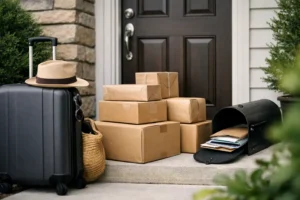
A parcel left outside a property in Gran Canaria can quickly become more than an inconvenience. Heat, rain, building access issues and a visible unattended package all create avoidable risk. Knowing how to handle parcels during long absences means putting a clear process in place before you travel, rather than relying on a neighbour or hoping a courier will try again.
Whether you spend part of the year abroad, own a holiday property, or run a business remotely, the aim is straightforward: deliveries should arrive safely, be recorded properly and remain under your control until you decide what happens next.
Why parcels need a plan before you leave
Unlike ordinary post, parcels often require a signature, have limited collection windows and may contain valuable or time-sensitive items. A failed delivery can be returned to the sender within days. If the item is linked to a replacement bank card, legal paperwork, stock for a small business or an essential household purchase, that delay can become costly.
Residential arrangements are not always reliable either. A concierge may not be available, a holiday complex may refuse responsibility, and neighbours may be away at the same time. Leaving delivery instructions to place a parcel behind a gate or by a door may appear convenient, but it provides little security and can invalidate a retailer or courier claim if something goes missing.
For longer absences, the best approach is to separate the delivery address from your physical location. You need an address where someone can receive parcels consistently, not simply a place where you happen to be staying when the courier calls.
Choose a secure receiving address
A dedicated parcel reception service provides a stable delivery point while you are away. Instead of giving retailers, suppliers and couriers your empty flat or holiday home address, you use an address staffed to receive incoming items.
This arrangement is particularly useful for non-resident property owners and seasonal residents. You can order items before arriving in Spain, receive replacement documents or have personal purchases held safely until your return. For business owners, it also gives suppliers a dependable address that does not change with each trip.
Before choosing a service, confirm the practical details. Ask whether parcels are accepted from major couriers, whether signatures can be provided, how long items can be stored and how you will be notified. It is also sensible to check size and weight limits, fees for larger parcels, and the process for forwarding items to another address.
A reliable provider should make the chain of custody clear. You should know when a parcel arrived, who received it and what options are available afterwards. That visibility matters just as much as the physical storage space.
Set delivery instructions that work in practice
Once you have a secure address, update it everywhere you regularly buy from. This includes online retailers, marketplaces, subscription services, pharmacies, business suppliers and any organisation that may send equipment or documents by courier.
Use your name exactly as registered with the receiving service. If you operate through a company, include the business name where required and make sure the parcel is addressed clearly. A mismatch between the recipient name and the account holder can slow down acceptance, particularly for signed or registered deliveries.
It helps to review saved addresses before a long trip. Many online accounts retain an old home address as the default, and one hurried checkout is enough to send an important parcel to an empty property. Remove outdated addresses where possible, or label the secure delivery address clearly so it is easy to select.
For expected high-value deliveries, keep the order confirmation and tracking reference. These details make it easier to resolve a courier query and confirm that the right item has reached your receiving address.
Do not rely on repeated delivery attempts
Couriers may attempt delivery more than once, but their policies vary. Some leave an item with a neighbour, some redirect it to a collection point and others return it quickly to the sender. None of these options gives you consistent control while you are abroad.
A collection point can work for a short break if you have someone local who is authorised and available. It is less suitable for a multi-month absence. Collection deadlines are usually short, and identity requirements can prevent another person from picking up the parcel on your behalf.
Decide what should happen after arrival
Receiving a parcel is only the first part of the process. Before you leave, decide which of three outcomes will apply: secure storage, forwarding or local collection when you return.
Storage is often the most practical option for personal shopping, household items and non-urgent supplies. It keeps everything in one place and avoids repeated forwarding costs. This is useful if you return to Gran Canaria regularly and want purchases waiting for you on arrival.
Forwarding is better when an item is needed at your current location. You may need business equipment sent to the UK, a document forwarded to your temporary address, or a replacement item delivered before your next visit. In these cases, request forwarding only after the parcel has been received and checked against your instructions. This reduces the chance of rerouting an item unnecessarily or sending it to an address that has changed.
Local collection suits customers who are about to return and prefer to collect several items together. Confirm collection arrangements in advance, particularly if you expect bulky packages or need to collect outside normal working hours.
Letterbox.es can provide this kind of practical continuity by receiving, storing and forwarding parcels alongside post handling, giving customers one dependable point of contact while they are away.
Keep control of valuable and urgent deliveries
Not every parcel should be treated in the same way. Higher-value goods, sensitive documents, medical items and business stock deserve additional attention. Where a retailer offers a signature requirement, use it. Where tracking alerts are available, activate them. If the parcel contains something essential, tell your receiving service what to expect and how you would like it handled.
For business deliveries, keep a simple shared record of expected parcels, supplier names, tracking numbers and deadlines. This can be a spreadsheet or a basic operations list. The purpose is not administration for its own sake. It ensures that a team member can spot a missing delivery early, arrange forwarding quickly and avoid duplicate orders.
Be realistic about customs and cross-border deliveries too. Parcels sent between countries may require duties, paperwork or payment before release. If you are travelling outside Spain, make sure someone can receive notifications and authorise the next step. A parcel cannot be forwarded effectively if it is still waiting for customs clearance.
Avoid common parcel problems during an absence
Most delivery issues are preventable, but they tend to occur when arrangements are vague. The following points are worth checking before departure:
- Do not use an empty home address for deliveries that cannot safely be left unattended.
- Do not assume a neighbour, cleaner or property manager is willing or authorised to sign for every parcel.
- Do not order time-sensitive items unless you have confirmed their expected delivery date and receiving arrangements.
- Do not leave forwarding decisions until a parcel is already close to a return-to-sender deadline.
It is also wise to avoid sending parcels to a hotel or short-term accommodation unless the property has explicitly agreed to accept them. Staff changes, guest turnover and limited storage can make this unreliable, especially during busy holiday periods.
Build parcel handling into your travel routine
The strongest arrangement is simple enough to use every time. Before a long absence, update your delivery address, review outstanding orders, save tracking references and tell relevant contacts where business parcels should be sent. Then decide how often you want notifications and whether any categories of delivery should be forwarded automatically.
If your plans change, a central receiving address gives you flexibility. You may extend your stay abroad, return earlier than expected or move between countries without needing to update every retailer immediately. Your parcels still have a secure place to go while you make the next decision.
A dependable delivery plan does more than protect packages. It removes one of the small but persistent worries that can follow you while travelling or managing a property from afar. Set it up before you leave, and your post and parcels can remain organised, secure and ready when you are.